What Will the Indian Budget 2025 Mean for the Economy?

The Indian Budget is more than just a document; it’s a roadmap for the nation’s economic future. As we set our sights on the Indian Budget for 2025, there is a lot to consider regarding its potential impacts on growth, various sectors, and pressing challenges. With inflation rising, global markets in flux, and substantial infrastructure needs, understanding what this budget might entail is crucial.
Economic Context and Expectations
In recent years, India has experienced a rollercoaster economic journey. The technology, manufacturing, and services sectors are thriving, yet issues such as unemployment, wealth gaps, and inflation remain significant hurdles. The Indian Budget 2025 arrives during a critical moment when the government must balance growth with social welfare.
Experts anticipate that the upcoming budget will emphasize sustainability and resilience. For instance, reports suggest a focus on renewable energy, with investments potentially increasing by 30% in this sector, as the government aims for a 50% reduction in carbon emissions by 2030. This aligns with India's ambitious GDP growth target of 8% in the coming years.
Key Focus Areas for the 2025 Budget
1. Infrastructure Development
Infrastructure is essential for economic growth and job generation. The 2025 Budget is expected to allocate substantial funds to enhance roads, railways, and urban facilities. For example, the government might invest approximately ₹3.5 trillion in infrastructure, which could lead to a significant boost in local economies. Each major project can result in a 2-3% increase in local income through job creation and increased demand for materials and services.
2. Agriculture and Rural Development
With around 58% of India's population dependent on agriculture, support for this sector is vital. The government may roll out initiatives to improve irrigation systems, provide subsidies for modern equipment, and streamline supply chains.
For example, enhancing irrigation facilities could increase crop yield by up to 20%, directly improving the livelihoods of millions of farmers. Such measures can also help bridge the gap between urban and rural living standards, as rural income levels rise.
3. Health and Education
The aftereffects of the pandemic have put health and education at the forefront. A portion of the budget is likely to focus on bolstering healthcare infrastructure and access, particularly in rural areas. Allocating ₹1.4 trillion to health services could improve facilities and reduce out-of-pocket expenses for families.
In education, reforms may highlight skill development and access to higher learning, catering to the needs of the new-age job market. Increased educational spending aims to raise literacy rates, targeting a specific goal of 80% literacy by 2025.
4. Direct Taxation Reforms
Reforming direct taxation is essential for fostering equity. The Budget might propose changes to tax brackets, potentially raising the limit for the lowest tax slab by ₹50,000. Such adjustments could ease the financial burden on middle-income families, making a tangible difference in their disposable income.
Additionally, introducing stricter compliance measures for higher earners could help raise approximately ₹2 trillion in additional revenue, aiding in reducing income inequality.
5. Sustainability Initiatives
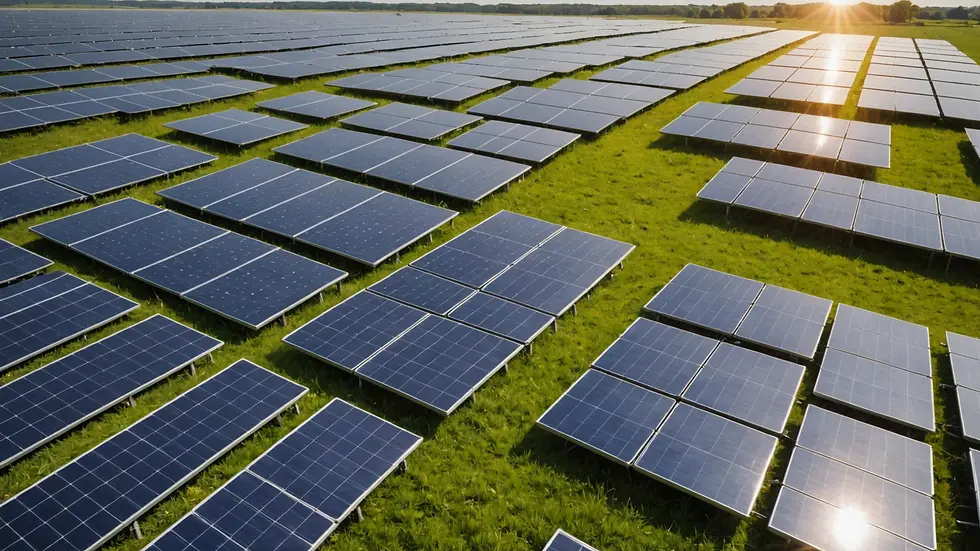
As climate change presents significant challenges, the Indian government is likely to emphasize sustainability in this budget. Investment in clean energy projects could see growth of around 20%, aligning with international climate agreements.
For instance, introducing incentives for solar energy adoption might aim for a 25% increase in solar installations, essential for attracting foreign investment and fostering economic growth.
Implications for Various Sectors
Manufacturing and Industry
Increased infrastructure investment and simplified supply chains could significantly benefit the manufacturing sector. With foreign direct investment (FDI) expected to grow by 15%, this sector may solidify India's position as a global manufacturing hub.
Technology Sector
The government's push for digitalization will likely foster favorable regulations and funding for the technology industry. Startups may experience an influx of resources, with a 10% increase in funding opportunities projected, fostering innovation.
Real Estate and Construction
An emphasis on infrastructure and housing can lead to a boom in the real estate sector. The budgetary commitments to affordable housing may raise consumer confidence, driving a potential 25% increase in new housing projects across urban areas.
Small and Medium Enterprises (SMEs)
Support for SMEs might include tax incentives and easier funding access. These businesses play a crucial role in job creation, and helping them could stimulate growth, leading to a potential 20% increase in job opportunities.
A Path to Economic Transformation
The Indian Budget 2025 stands to reshape the country's economic landscape significantly. With a focus on infrastructure, agriculture, health, sustainability, and taxation reforms, it aims to tackle immediate challenges while setting long-term goals.
Stakeholders across sectors are keenly observing the budgetary announcements. It is clear that collective action will be key to transforming proposals into reality. The upcoming budget could lead to substantial changes for India’s economy, positively impacting millions and paving the way for a sustainable future.


Comments